Luxury Estate to Broadcast Facility
Called in at the last minute to restore and engineer reliable connectivity for a 72-hour creator livestream.
Every live production starts with a plan.
The successful ones are defined by how well a team adapts when that plan changes.
This project was a perfect example.
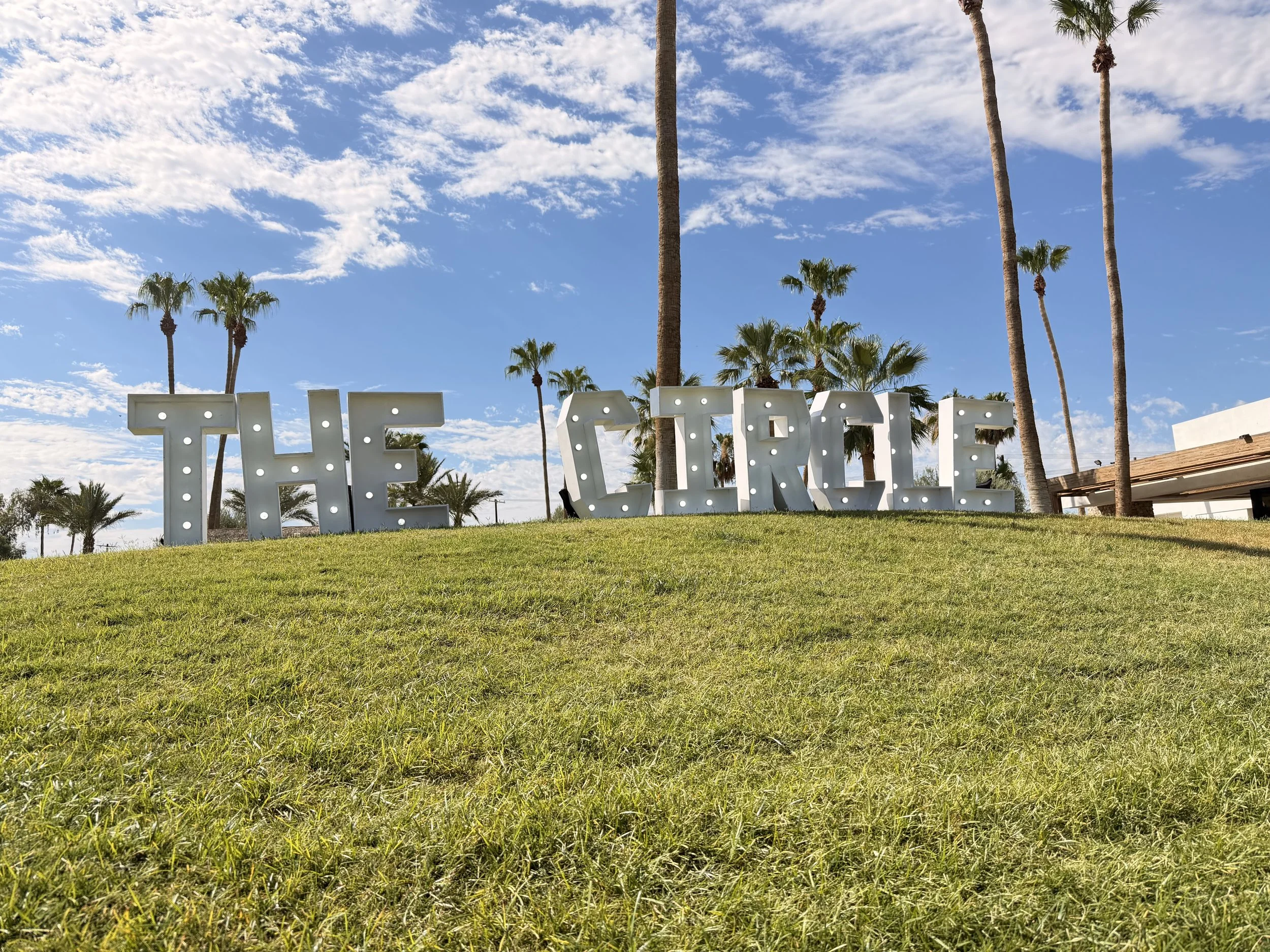
I was called in at the last minute to support a 72-hour livestream produced by The Circle, a creator-focused company hosting an immersive influencer experience leading up to the Knockout Queens boxing event.
There was one critical challenge: the venue wasn't designed to support a professional multi-day livestream.
By the time we arrived, the production had already been offline for several hours. The venue simply wasn't equipped with internet infrastructure capable of supporting a continuous multi-day broadcast.
Instead of walking into a fully operational production, we stepped into an event that was already underway and needed to get back online as quickly as possible. There wasn't time for weeks of planning or infrastructure build-outs. The priority became understanding the existing workflow, identifying what was missing, and deploying a reliable transmission solution while the production continued to evolve around us.
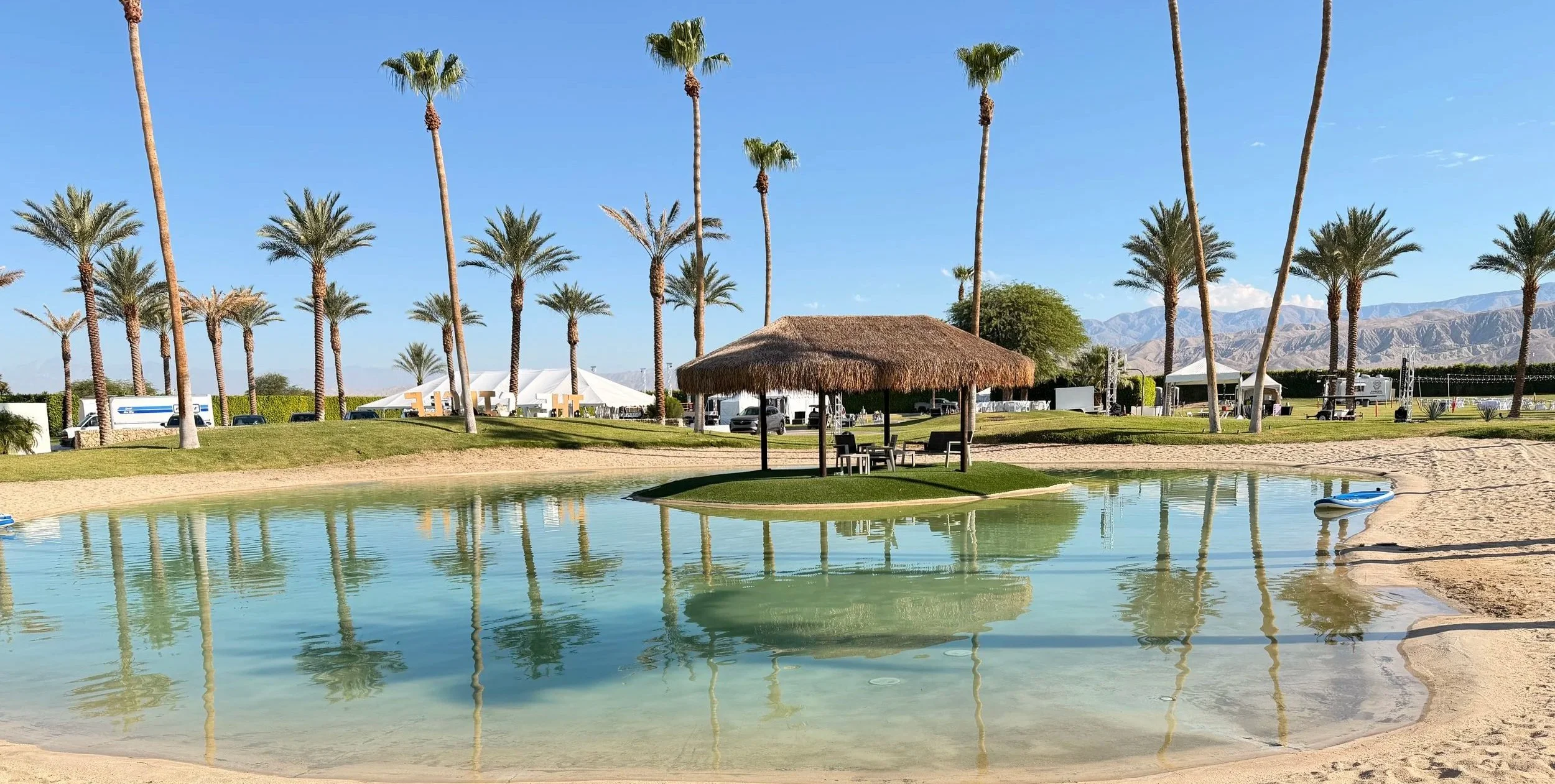
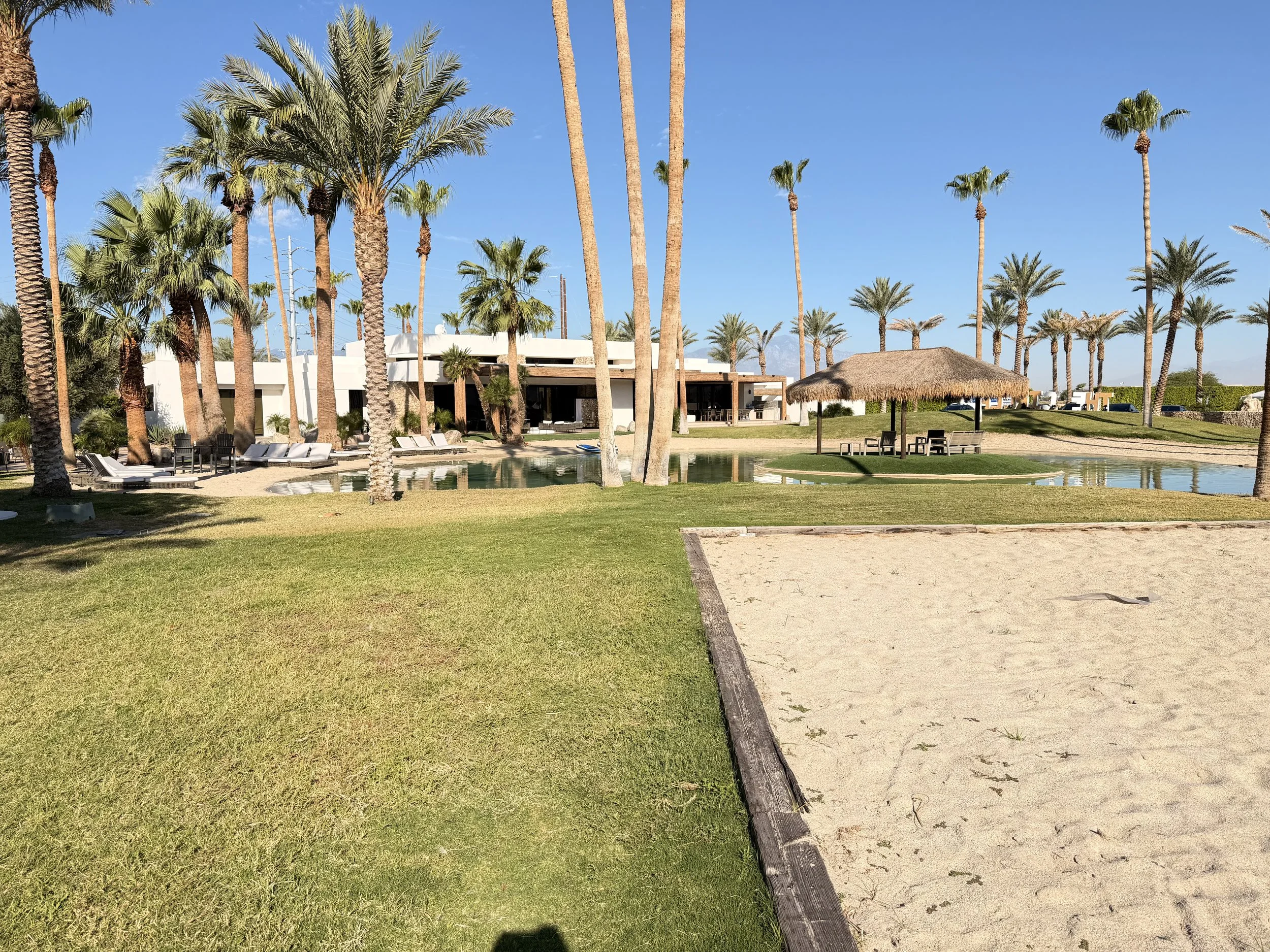
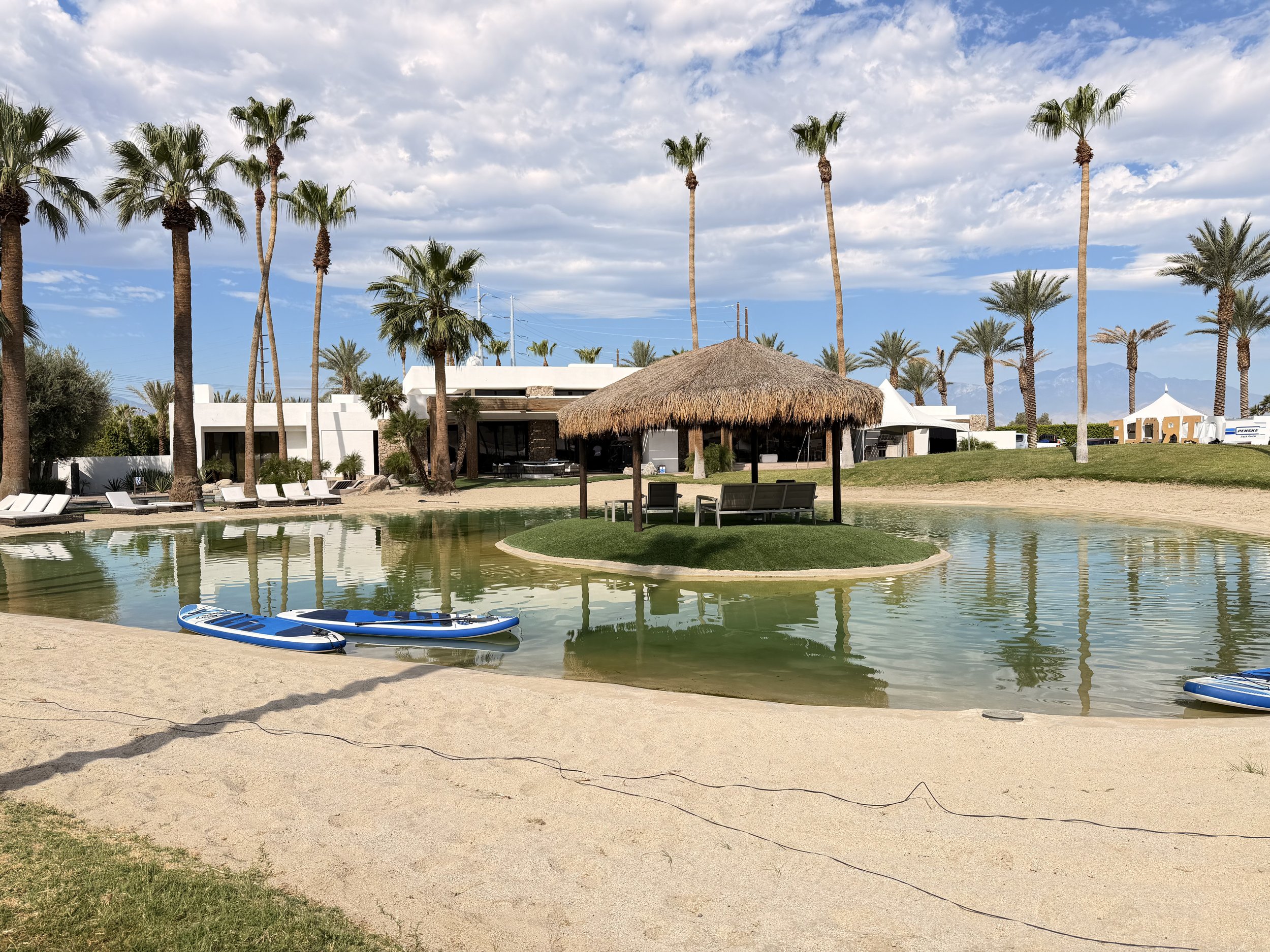
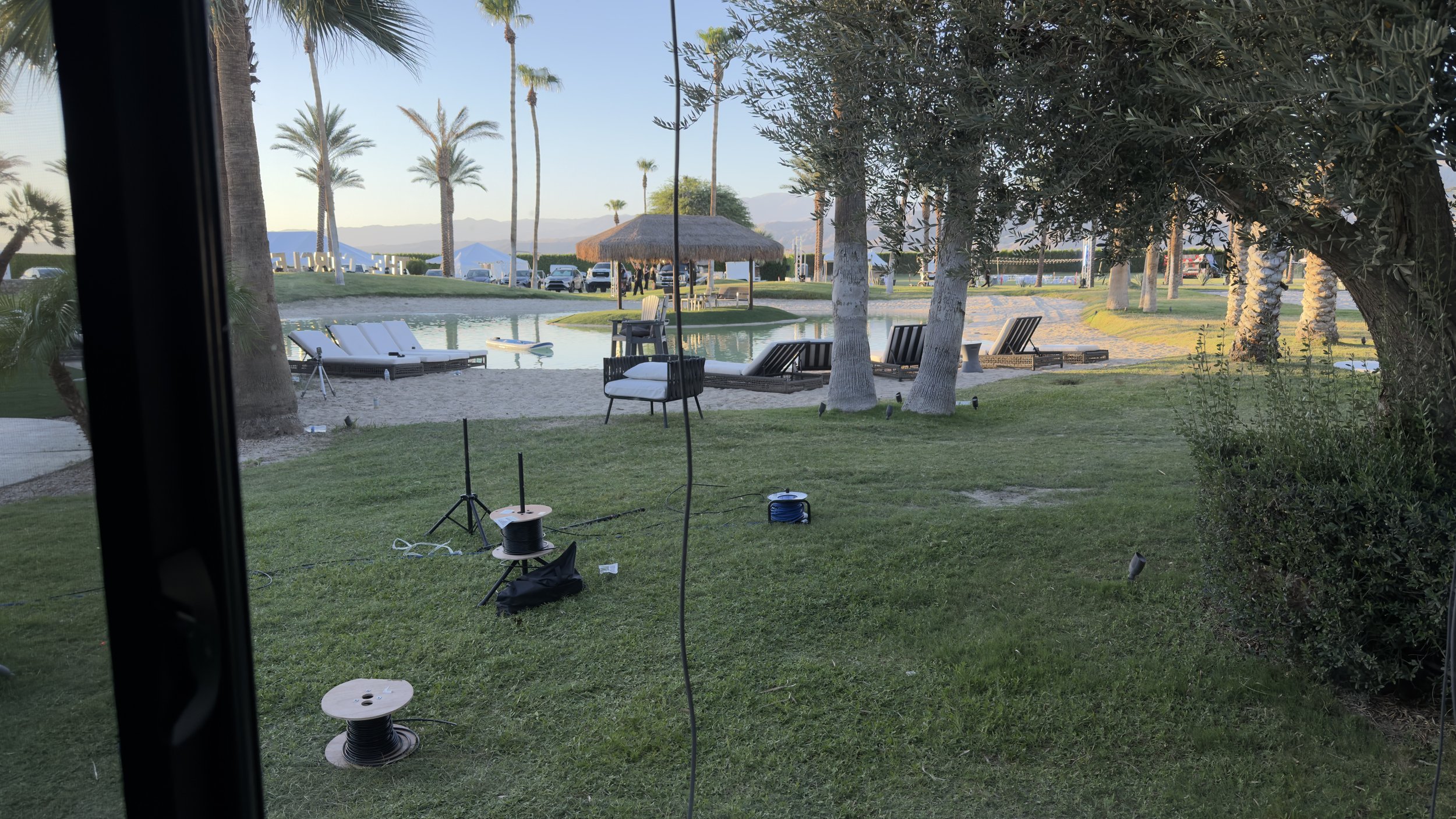
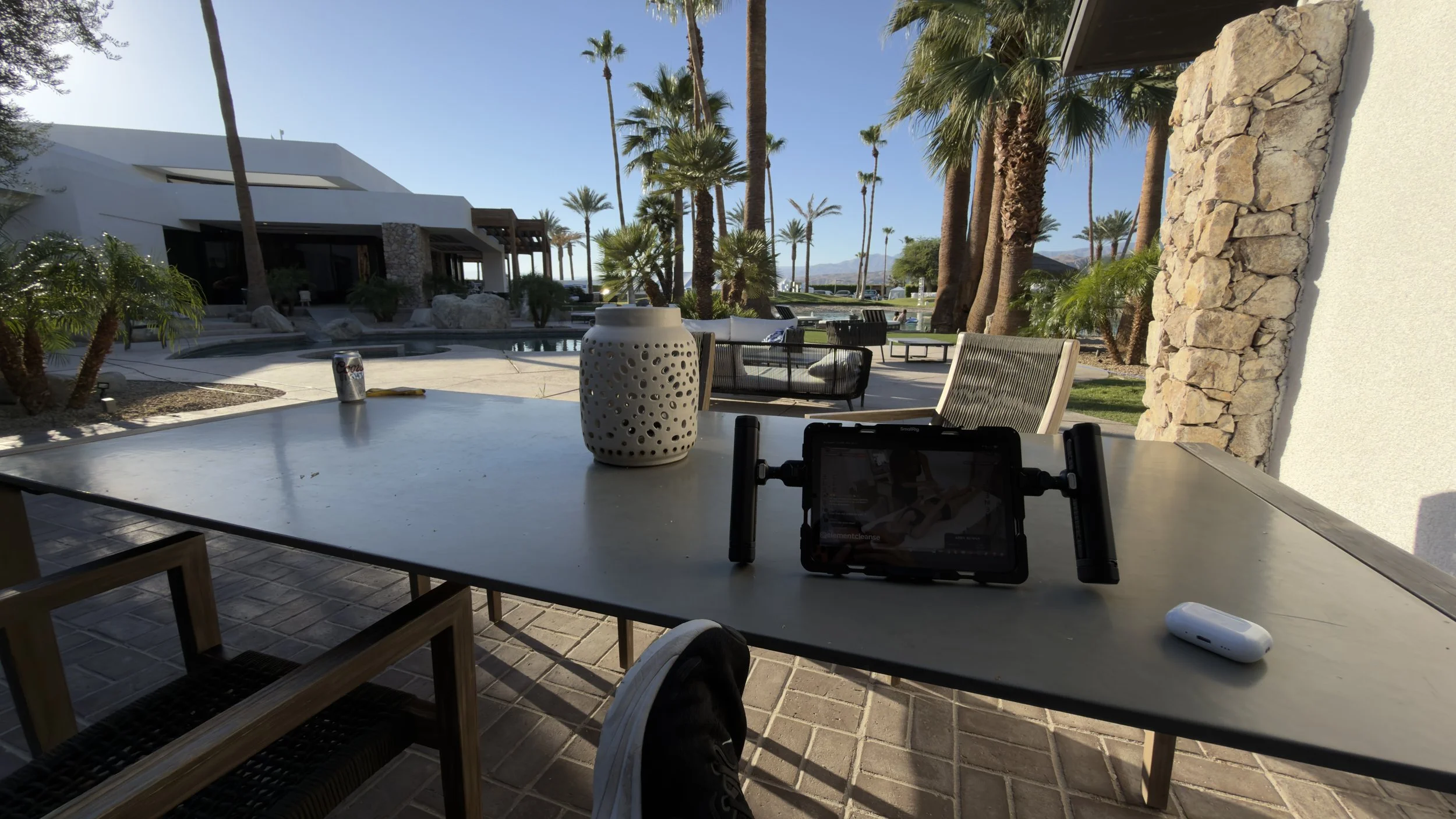
The contrast couldn't have been greater. On one side was a luxury estate built for creators. Behind the scenes, we were transforming it into a temporary broadcast facility capable of supporting continuous live streaming across multiple platforms.
Building Connectivity Where None Existed
Unlike a traditional television studio or sports arena, this production was taking place in a location designed for creators rather than broadcasters. The venue offered incredible spaces for content creation, but the network infrastructure simply wasn't built to support a professional, continuous livestream.
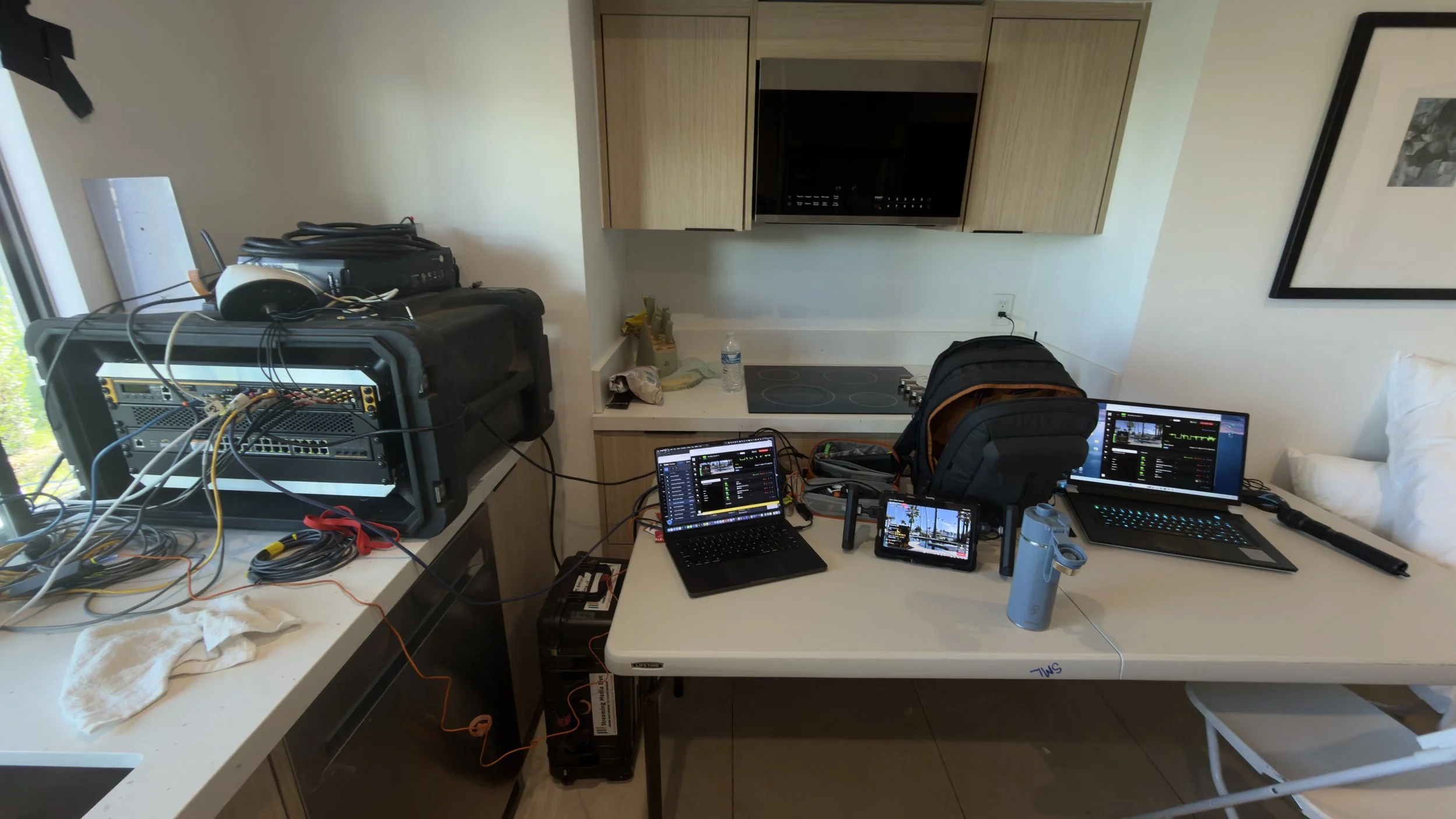
Working with Streaming Media Live as the transmission engineer on the deployment, my focus was rapidly deploying a resilient network capable of supporting continuous operation throughout the event.
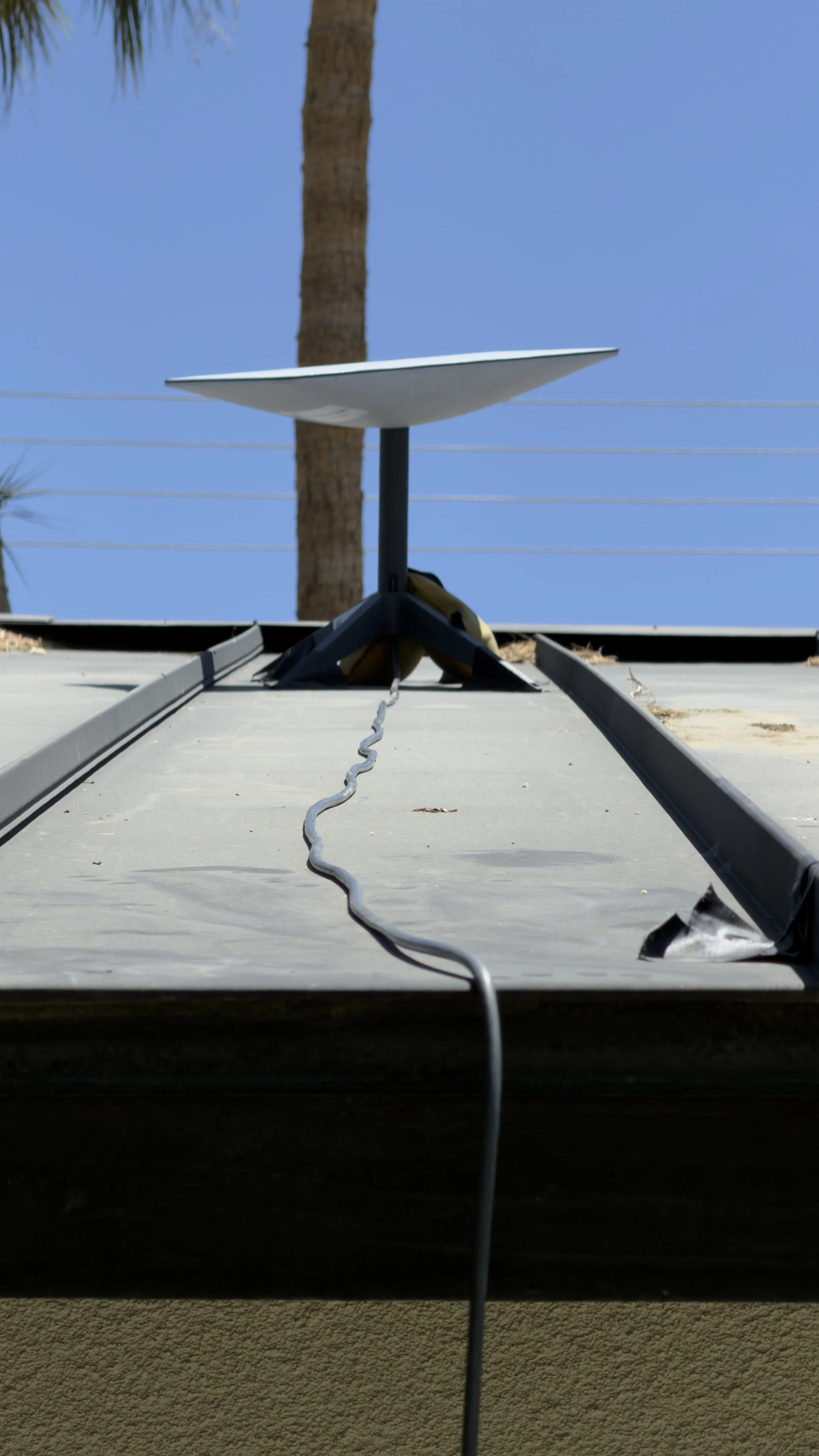
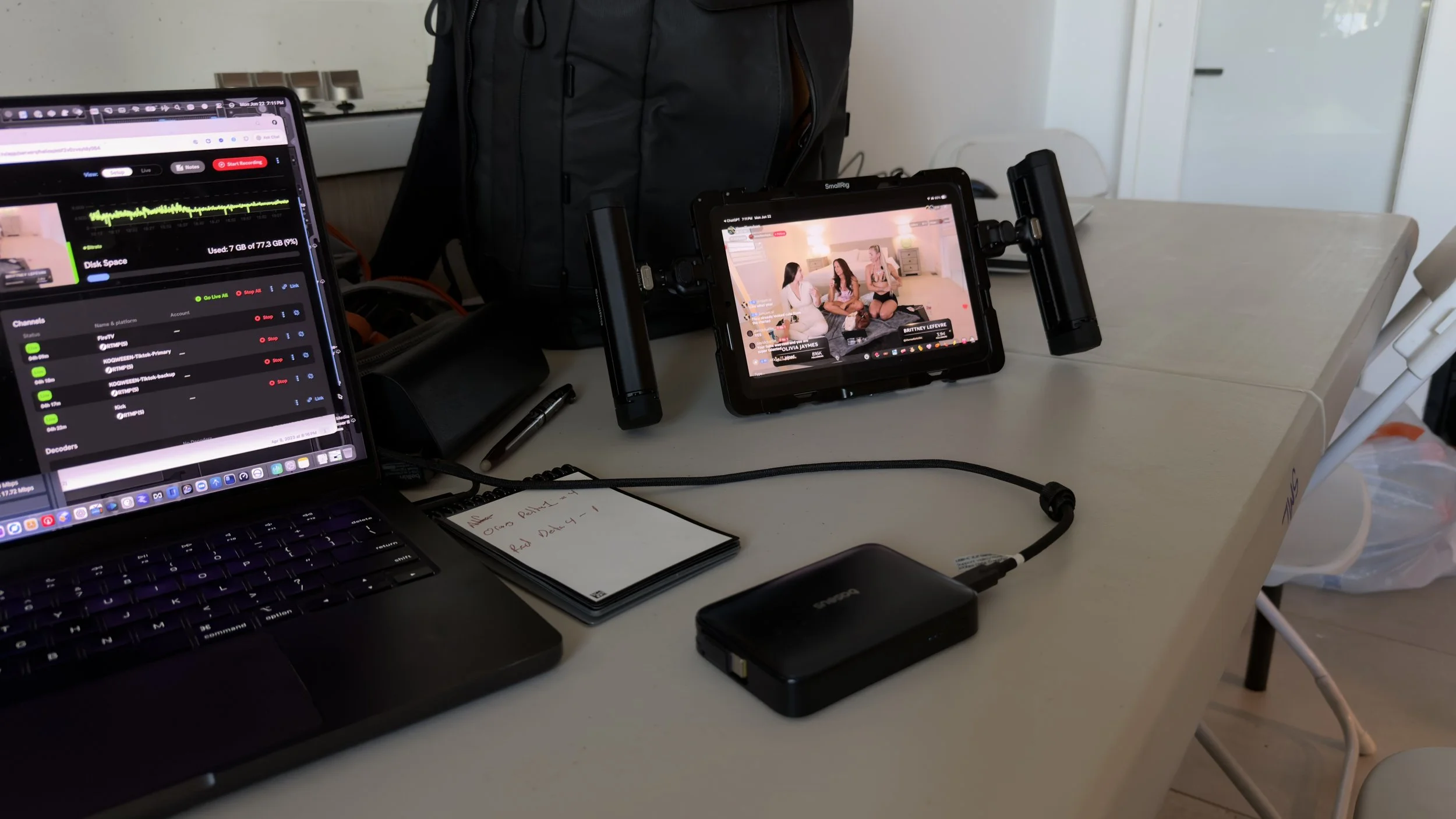
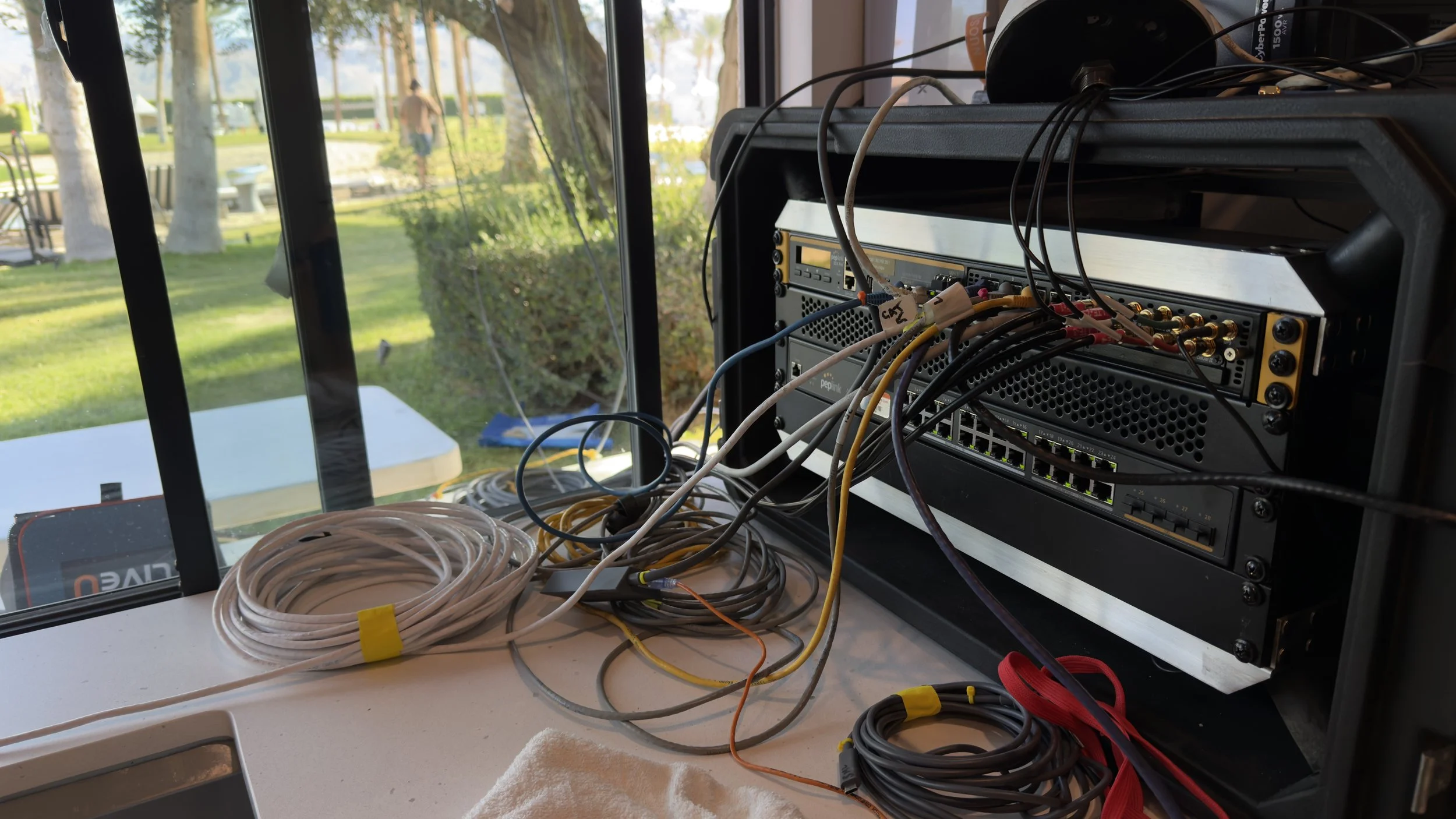
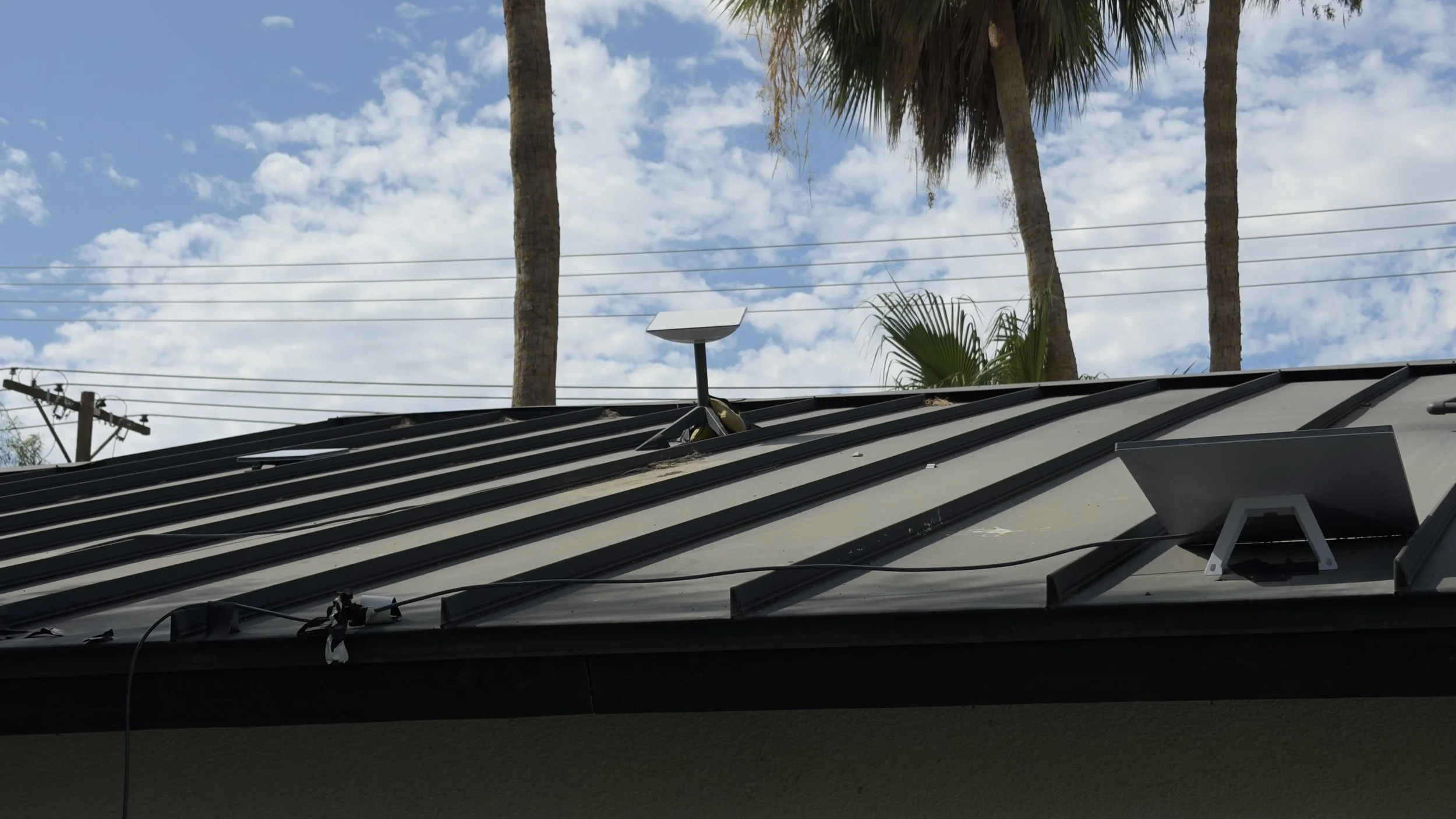
At the core of the deployment was a LiveU LU800, supported by a LiveU LU300, providing bonded cellular transmission for the live feeds. Those systems worked alongside a Peplink router aggregating additional cellular connections while integrating three Starlink terminals to provide additional bandwidth and redundancy.
Rather than relying on a single internet connection, the production utilized multiple independent paths to keep the streams online throughout the event. This temporary infrastructure became the backbone for simultaneous live distribution to Kick, TikTok Live, and TrillerTV, while also supporting the production team's changing technical requirements over the course of the weekend.
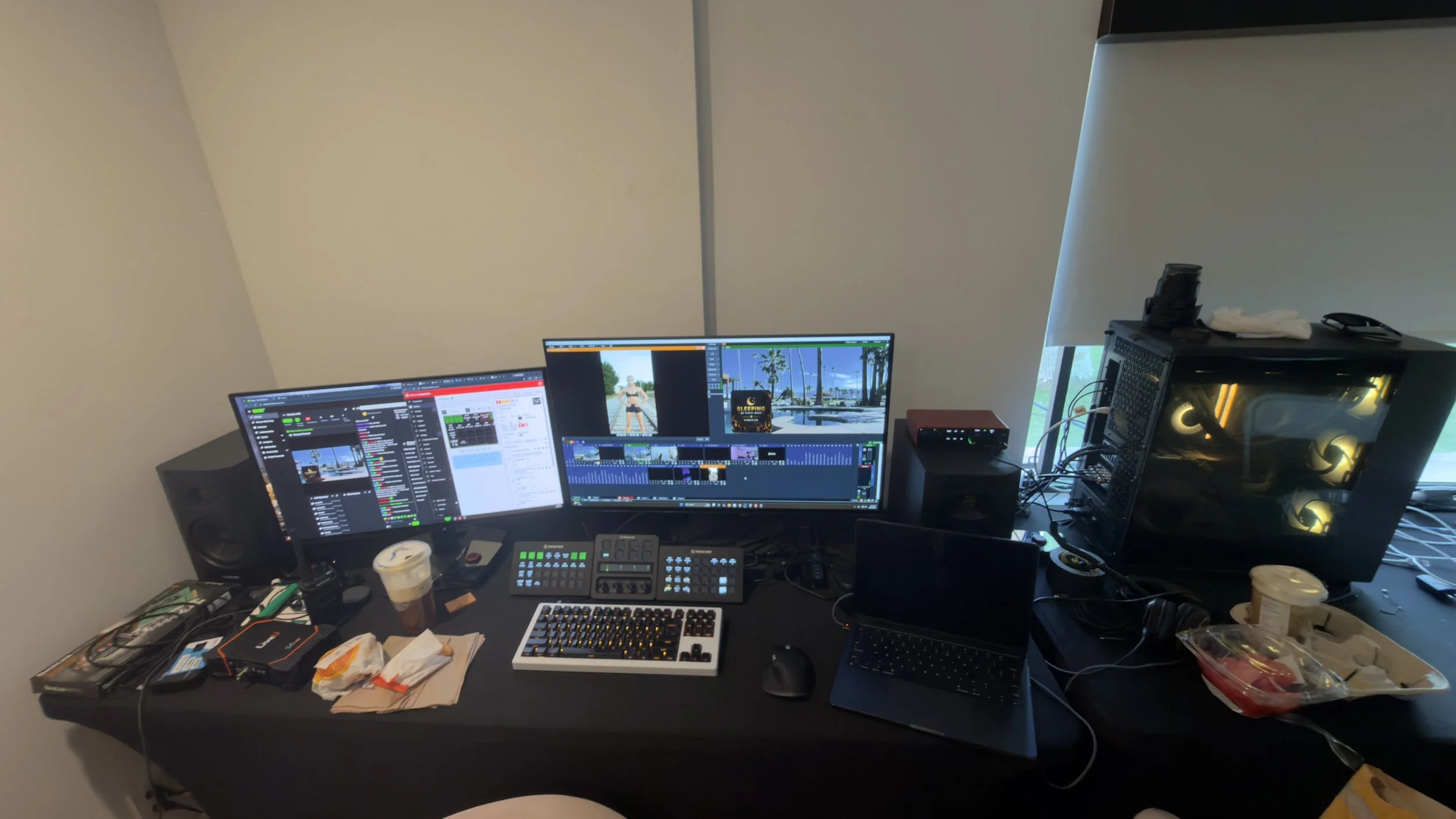
As connectivity stabilized, my role naturally expanded beyond transmission engineering. The production team was operating Sony cameras alongside OBSBOT Tail 2 and Tail Air PTZ systems throughout the property, and as new creative ideas emerged, I was able to provide recommendations on broadcast workflows, operational best practices, and live production techniques that helped the technical side of the event continue to mature.
One of the realities of live production is that no plan survives first contact with the venue. Camera positions change, schedules shift, new ideas emerge, and technical requirements grow. The goal isn't simply to build a reliable network—it's to build one that's flexible enough to evolve with the production.
Technology Used
- LiveU LU800
- LiveU LU300
- Peplink Router
- Starlink
- Bonded Cellular
- Sony Cameras
- OBSBOT Tail 2
- OBSBOT Tail Air
- Kick
- TikTok Live
- TrillerTV
Looking Back
This project reinforced something I've experienced throughout my career in live production: the most important engineering work often happens in places that were never designed for broadcasting.
Today, creator events, influencer productions, and live experiences are increasingly taking place in private estates, remote venues, and unconventional locations. The challenge isn't just delivering a video stream—it's creating the infrastructure that allows the creative team to focus on their content without worrying about connectivity.
By the end of the weekend, what began as a venue struggling to stay online had become a fully functioning temporary broadcast facility supporting a multi-day live production.
Those are the projects I enjoy most—arriving with an engineering mindset, adapting to the unknown, and building reliable systems that make ambitious productions possible.